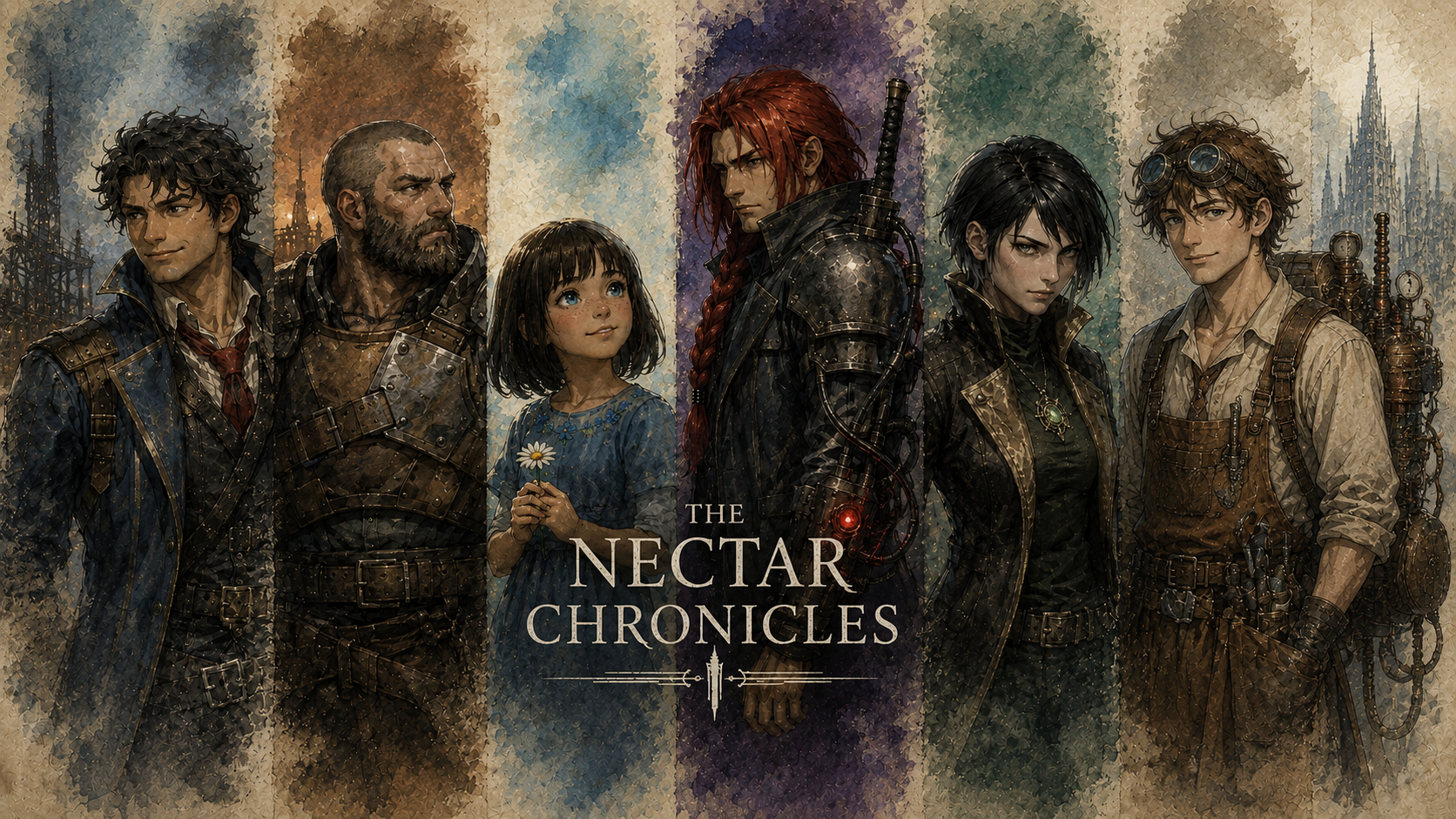
In a divided industrial world, an extraterrestrial substance is rewriting life from within. Kain, a protector raised to believe his power is a disease, begins to uncover the truth behind the system built around him.
Nectar spreads through soil, flora, fauna, and human bodies, altering DNA and reshaping ecosystems over time. Its expansion is slow, cumulative, and irreversible.
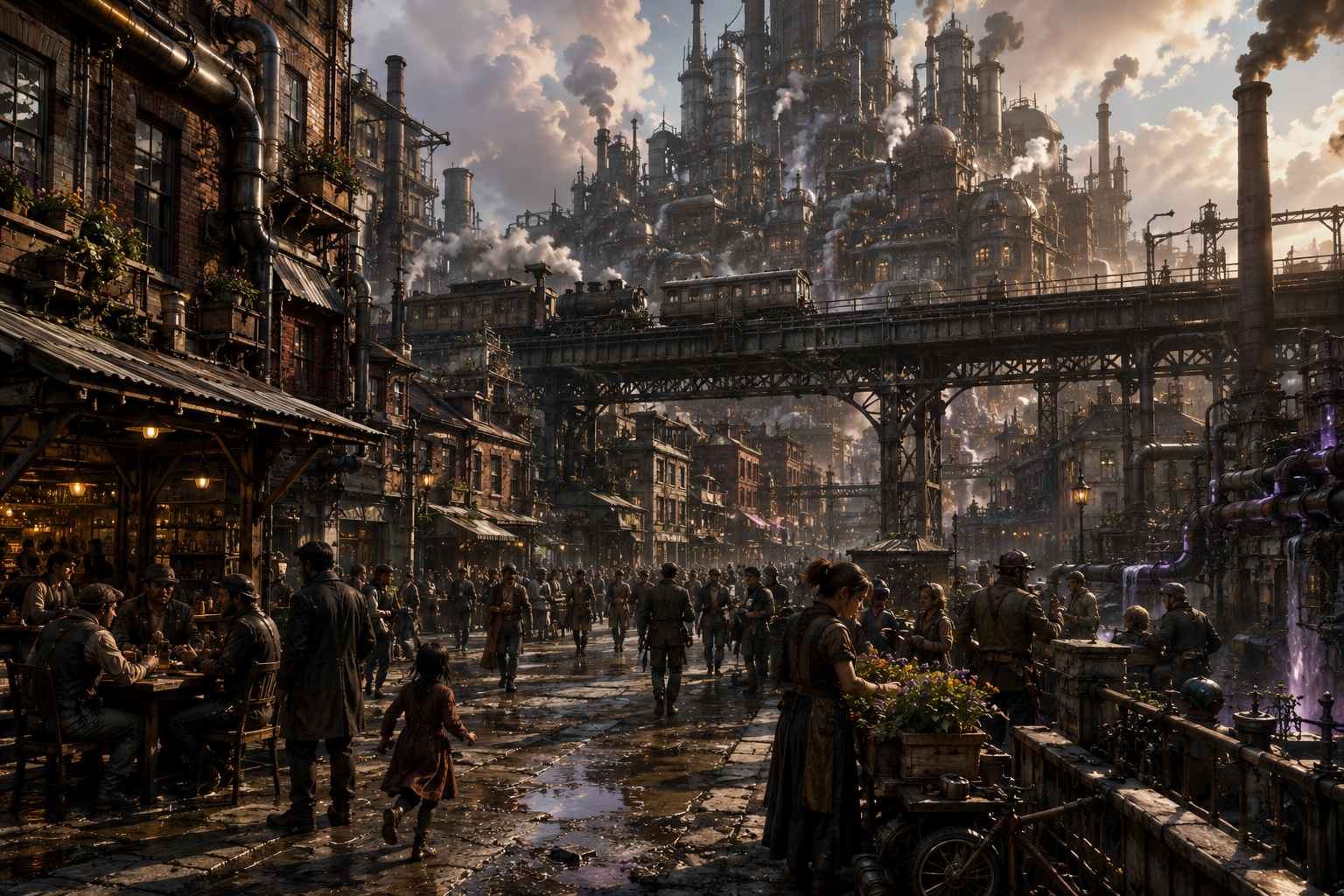
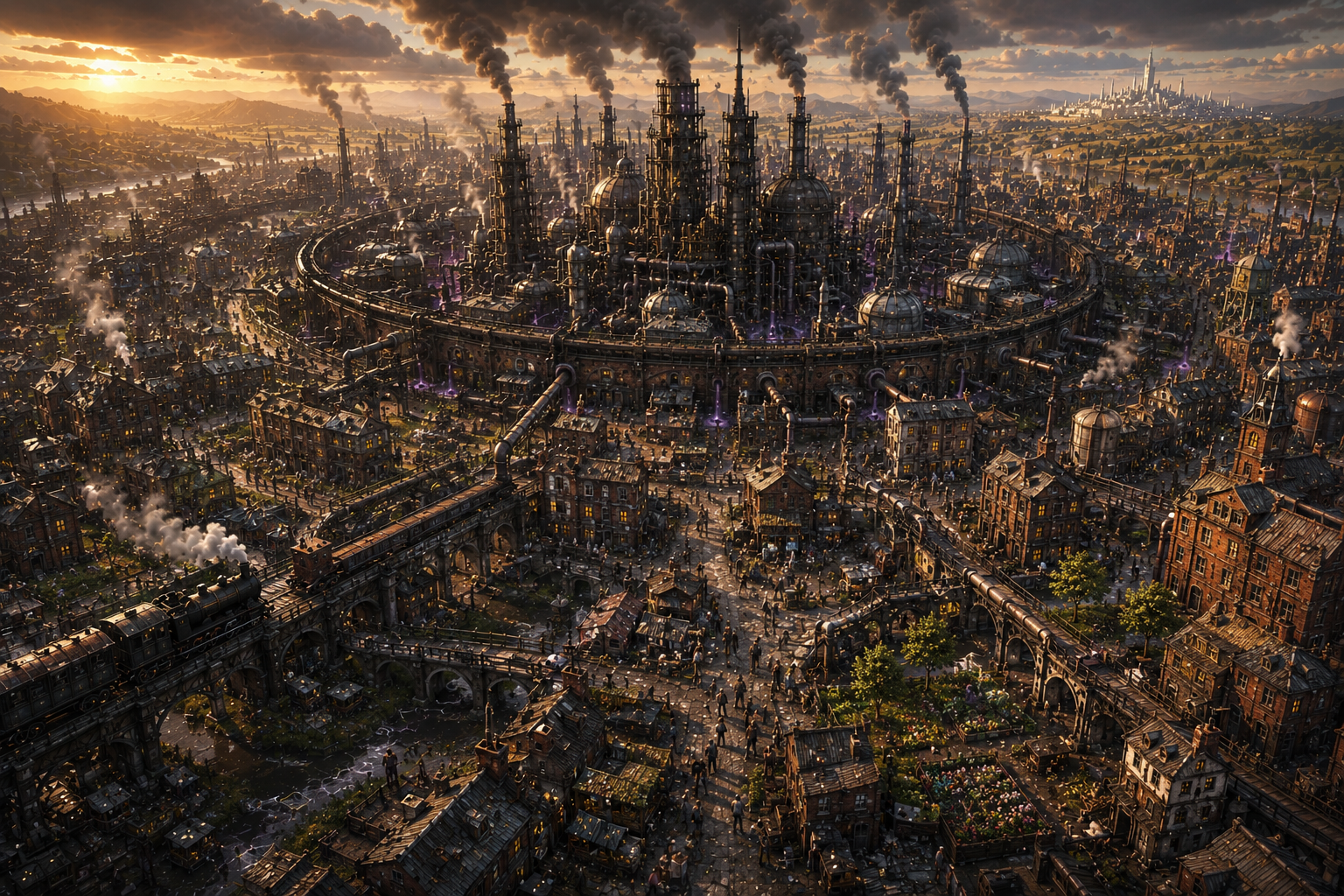
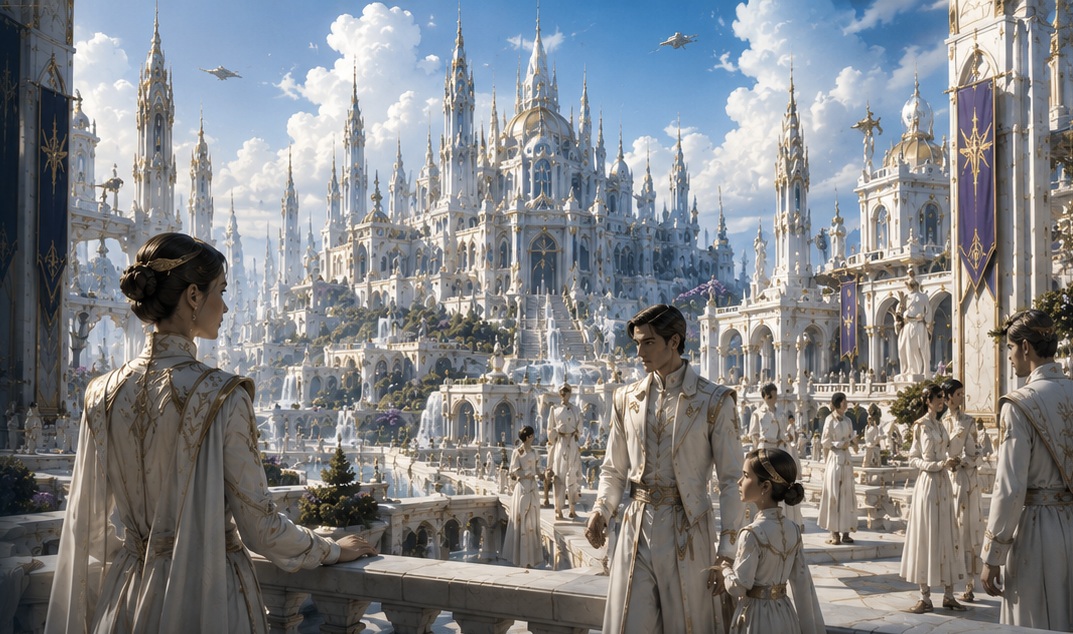
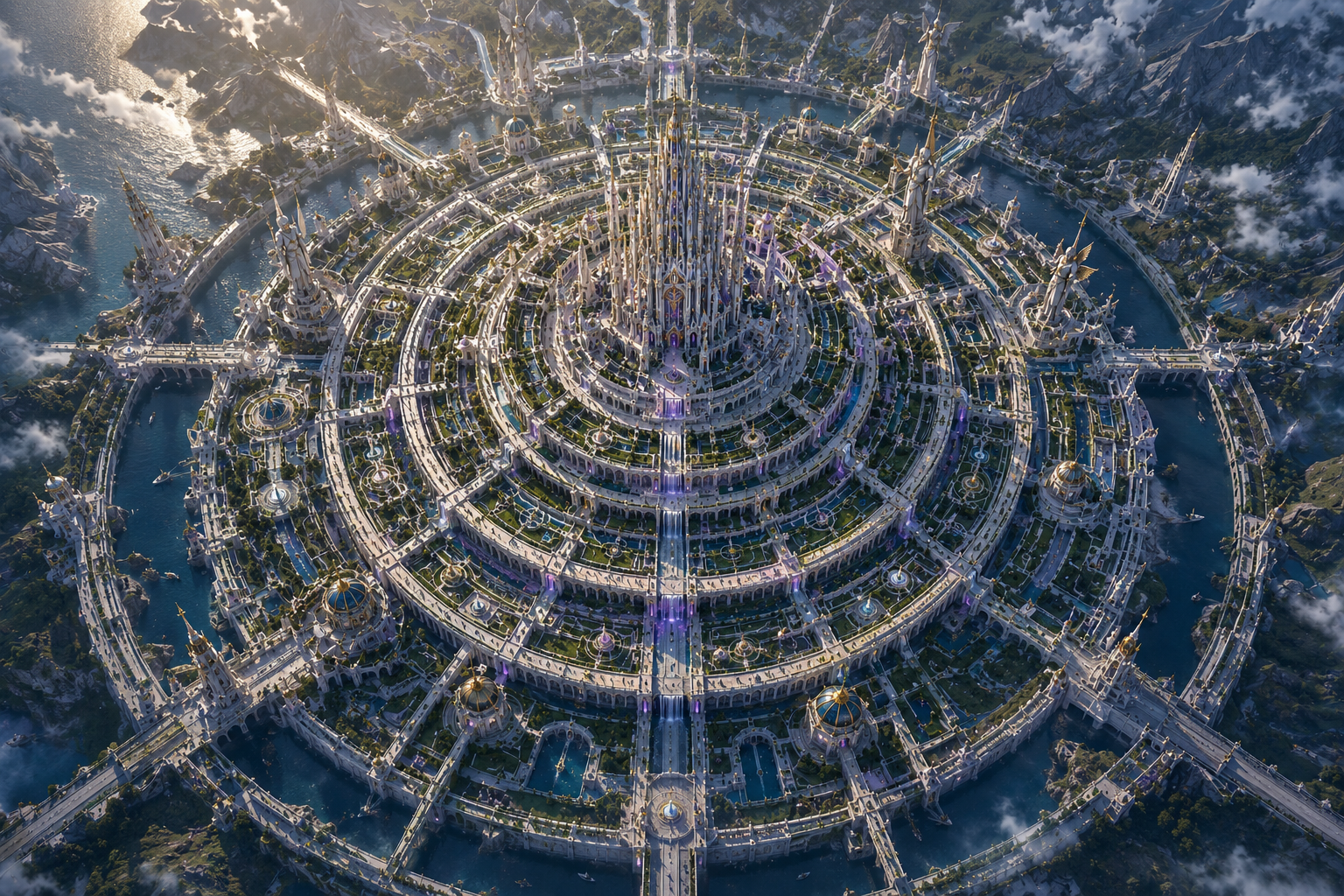
Humanity has built an entire social order around managing what it cannot stop. The Crystal controls research and refinement. The Rust extracts the raw substance and lives with the consequences. Beneath both worlds, the process continues.
A violet, semi-viscous biological substance threaded with green and violet particles. In its raw state, Nectar rewrites living tissue, destabilizes ecosystems, and produces progressive mutations. Refined, it can prolong youth and enhance physical capabilities. But refinement does not neutralize the process. It only makes it useful.
The Crystal controls Nectar research, refinement, and public information. It presents containment as the price of civilisation, while the true cost remains hidden behind sealed institutions and controlled narratives.
The Rust survives through extraction work, repaired machinery, and close-knit communities. Its workers believe they are reducing the contamination. In reality, their labour sustains the system that depends on Nectar.

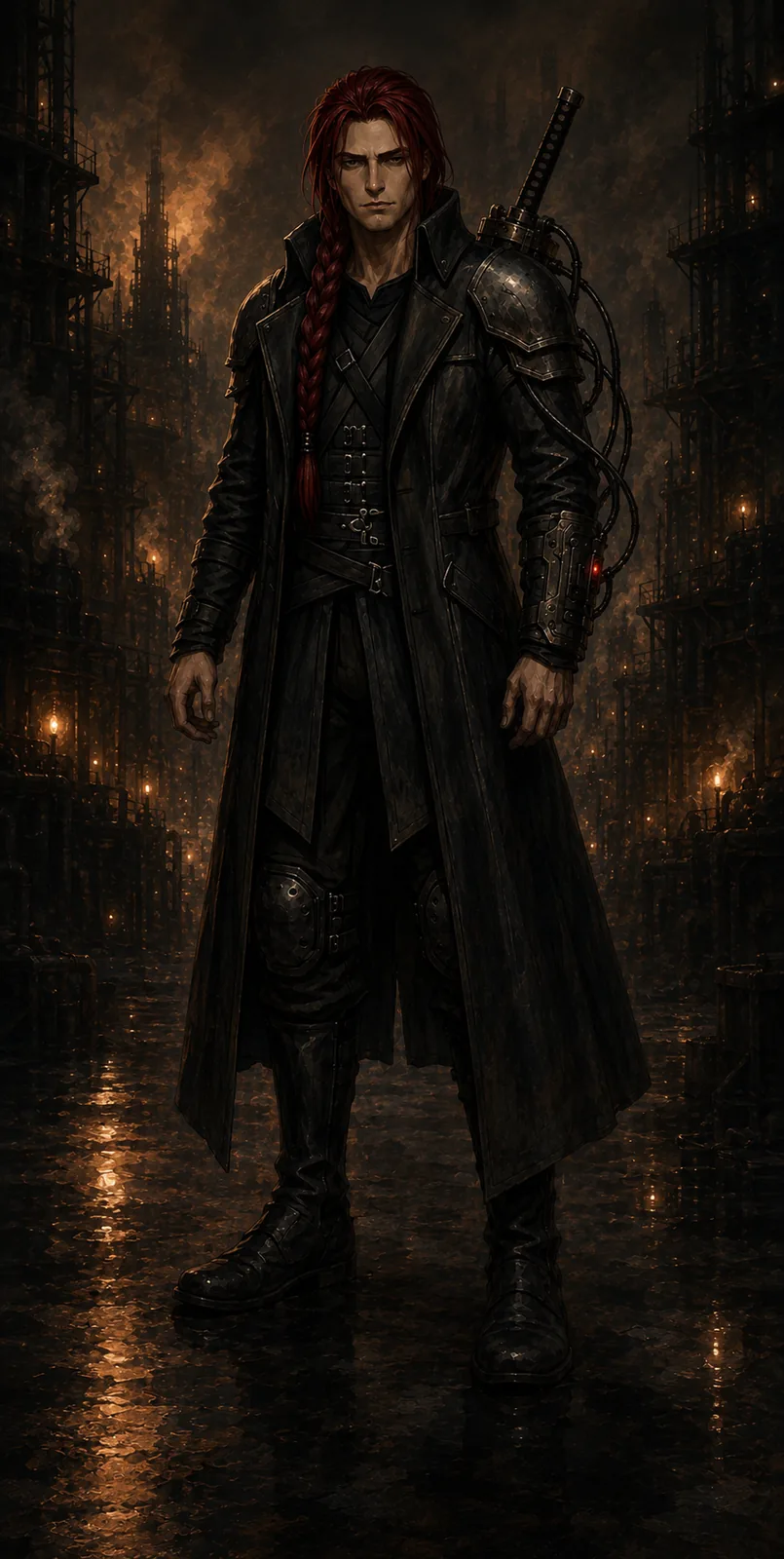
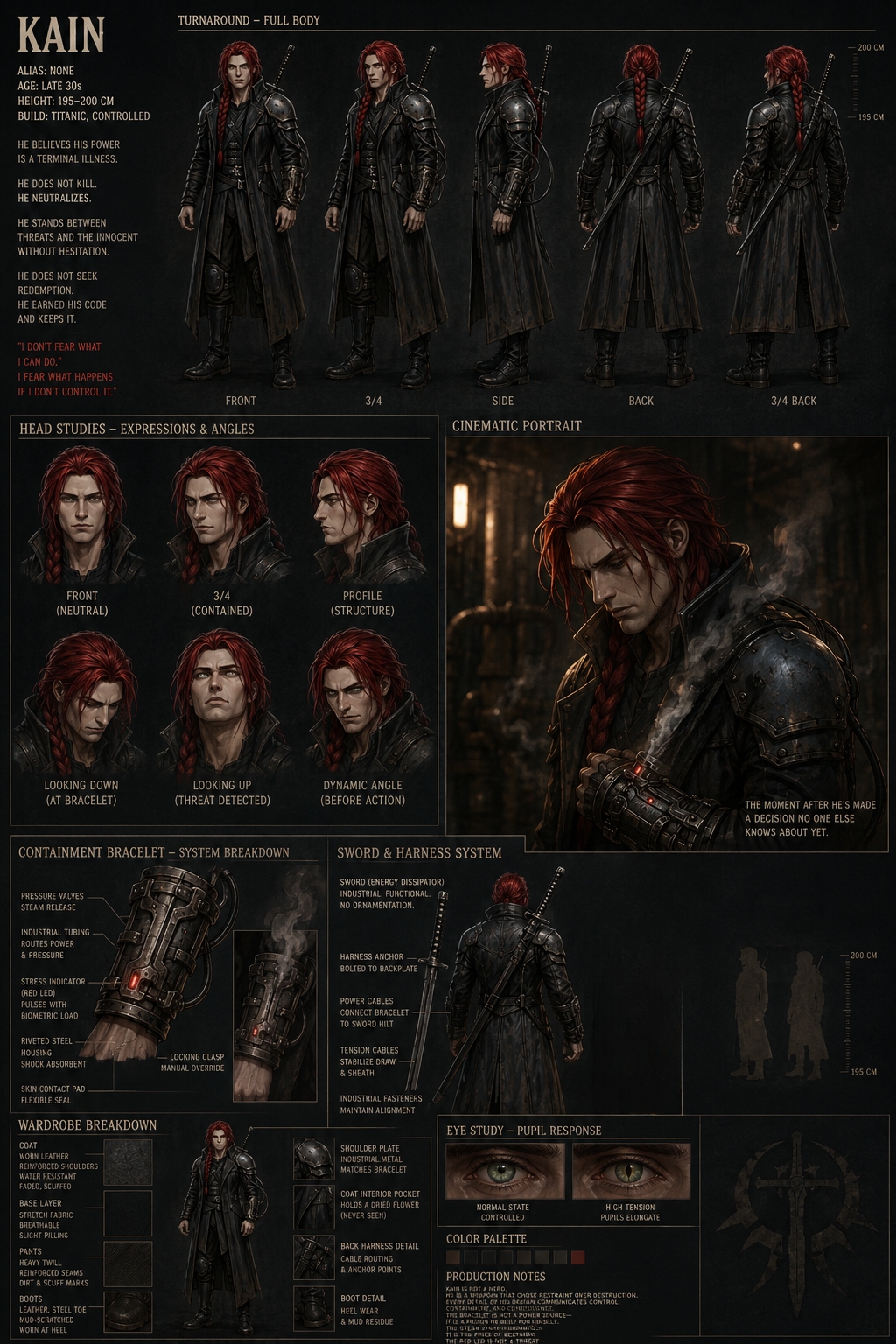
Kain grew up in the Rust and became the person others call when a settlement or a mutated creature becomes too dangerous to handle. Physically imposing, patient, and known for his dry humour, he protects the group without needing to command it.
Despite his strength, Kain follows a strict rule in combat: neutralize the threat, never execute it. Since adolescence, an industrial bracelet and a reinforced sword have regulated violent surges of energy that he believes are symptoms of a terminal illness. As the system begins to fail, he starts questioning what he has been told — and why he was made to believe it.
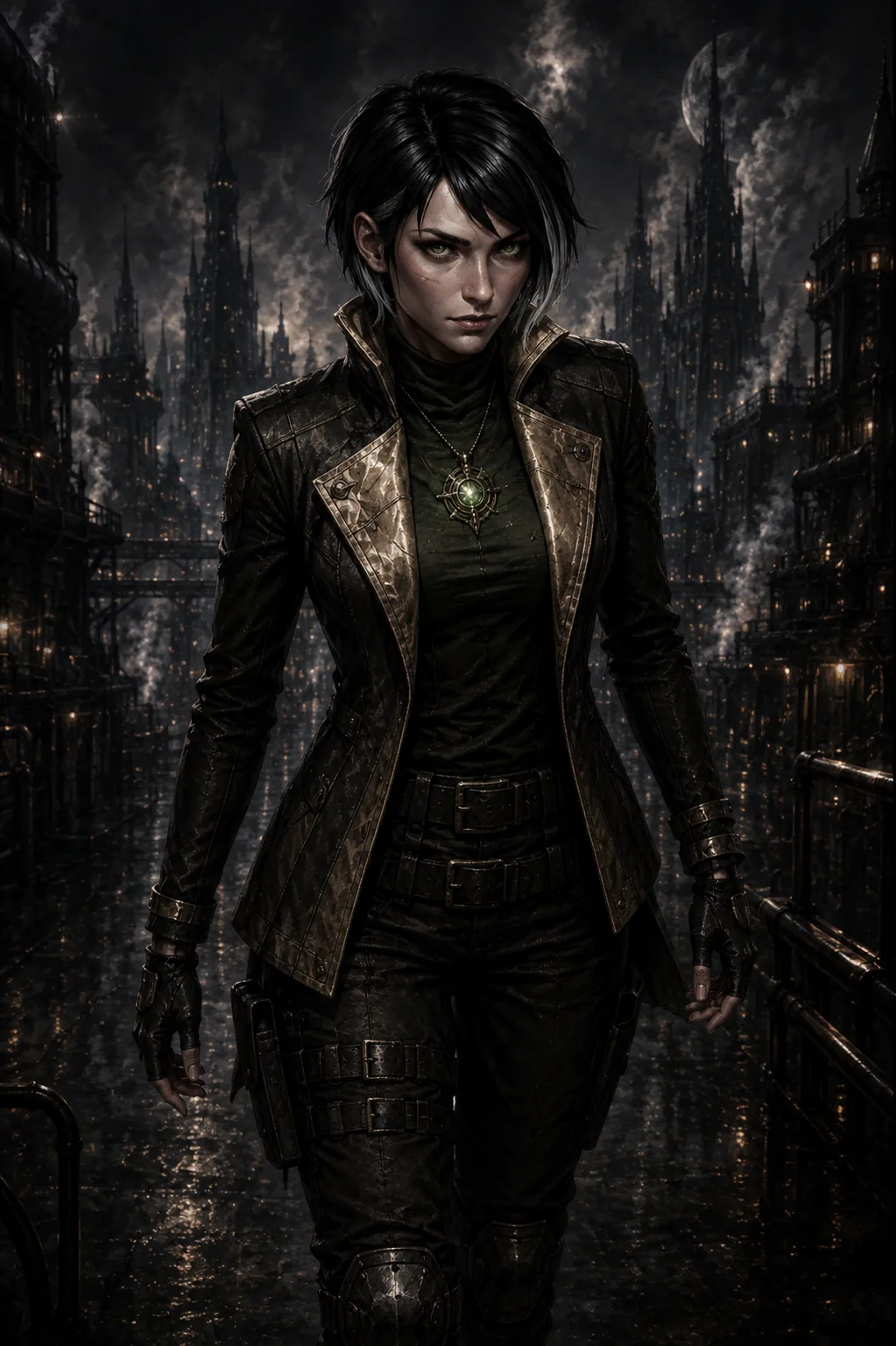
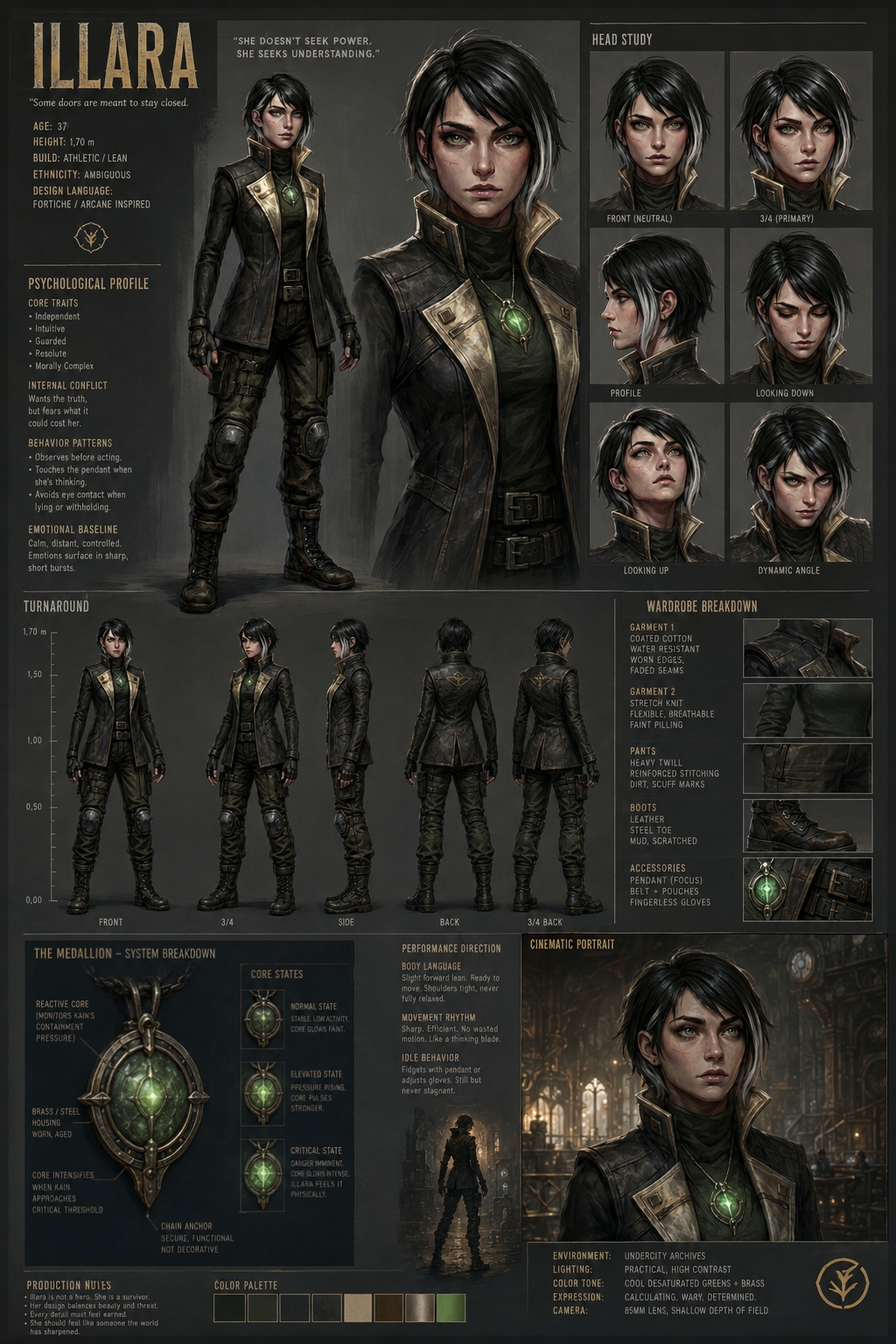
Illara fled with Kain when they were children and has spent years keeping him hidden, stable, and alive. Analytical and emotionally restrained, she monitors his containment system through a medallion and notices changes before anyone else.
She knows more about Kain's condition than she admits. Every decision she makes is intended to protect him, but the longer she controls the information around him, the harder it becomes to separate protection from manipulation.
Illara acts before uncertainty can become danger. That discipline protects the group, but it also keeps Kain inside a version of his own life that she has chosen for him.
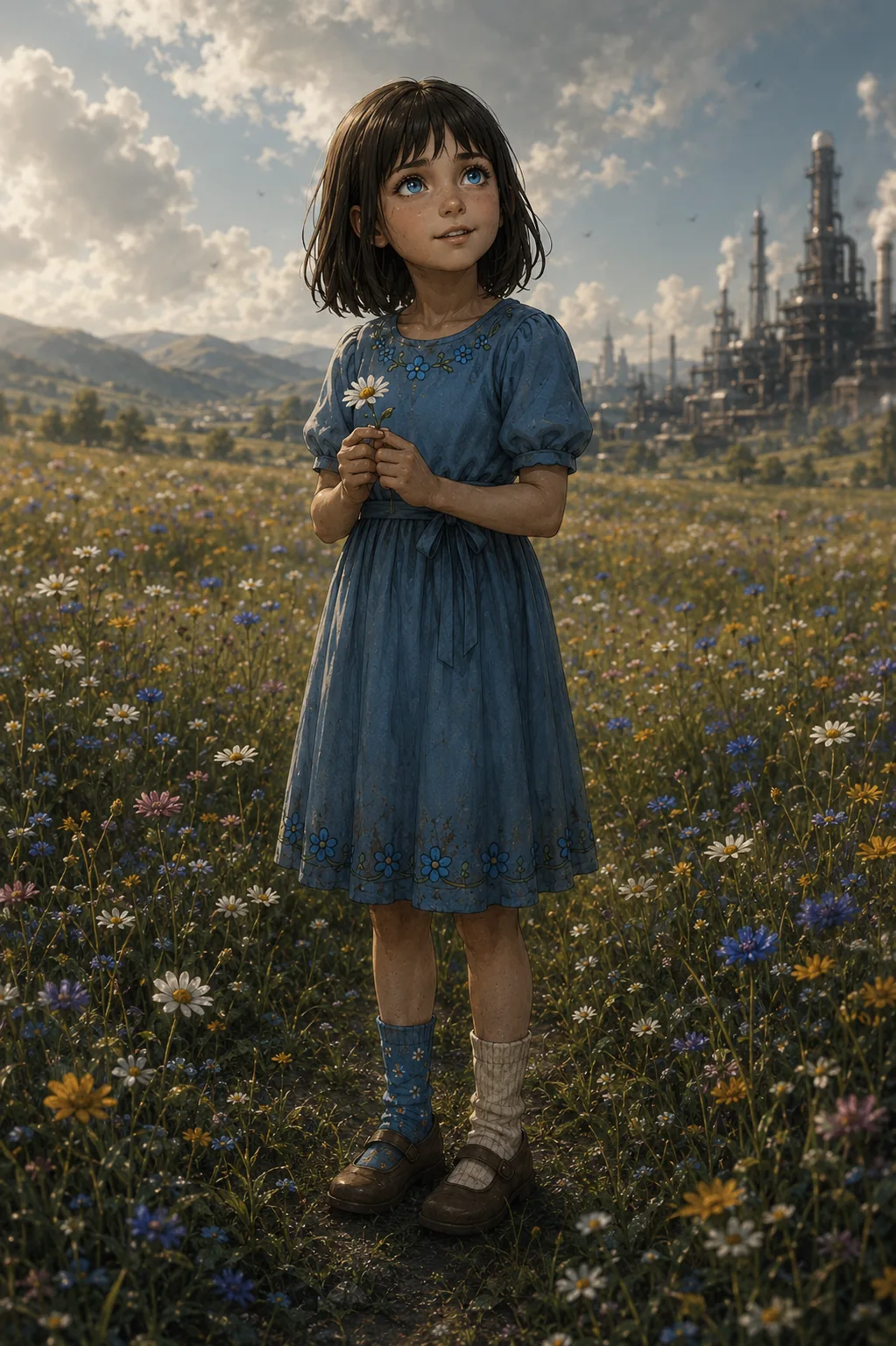
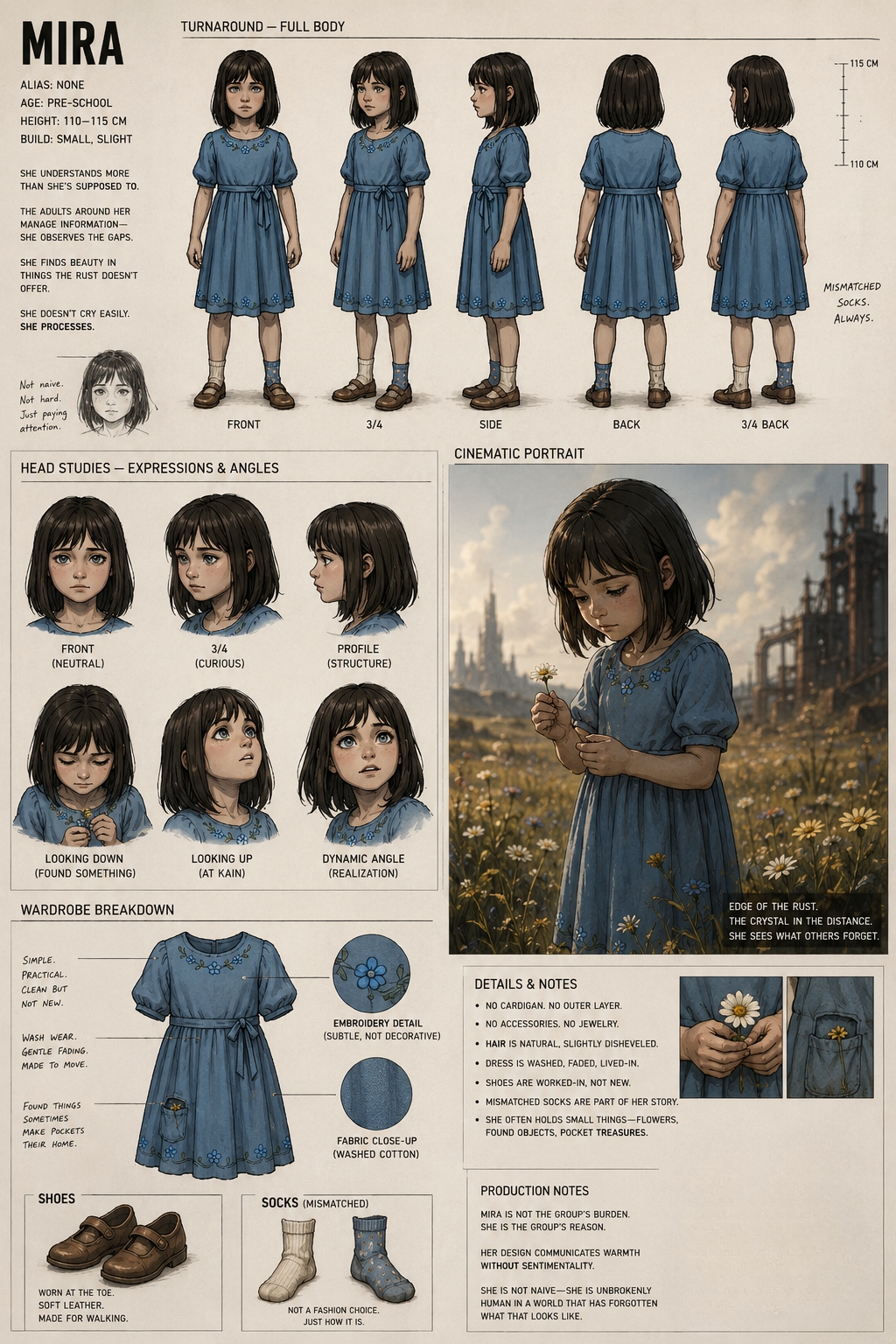
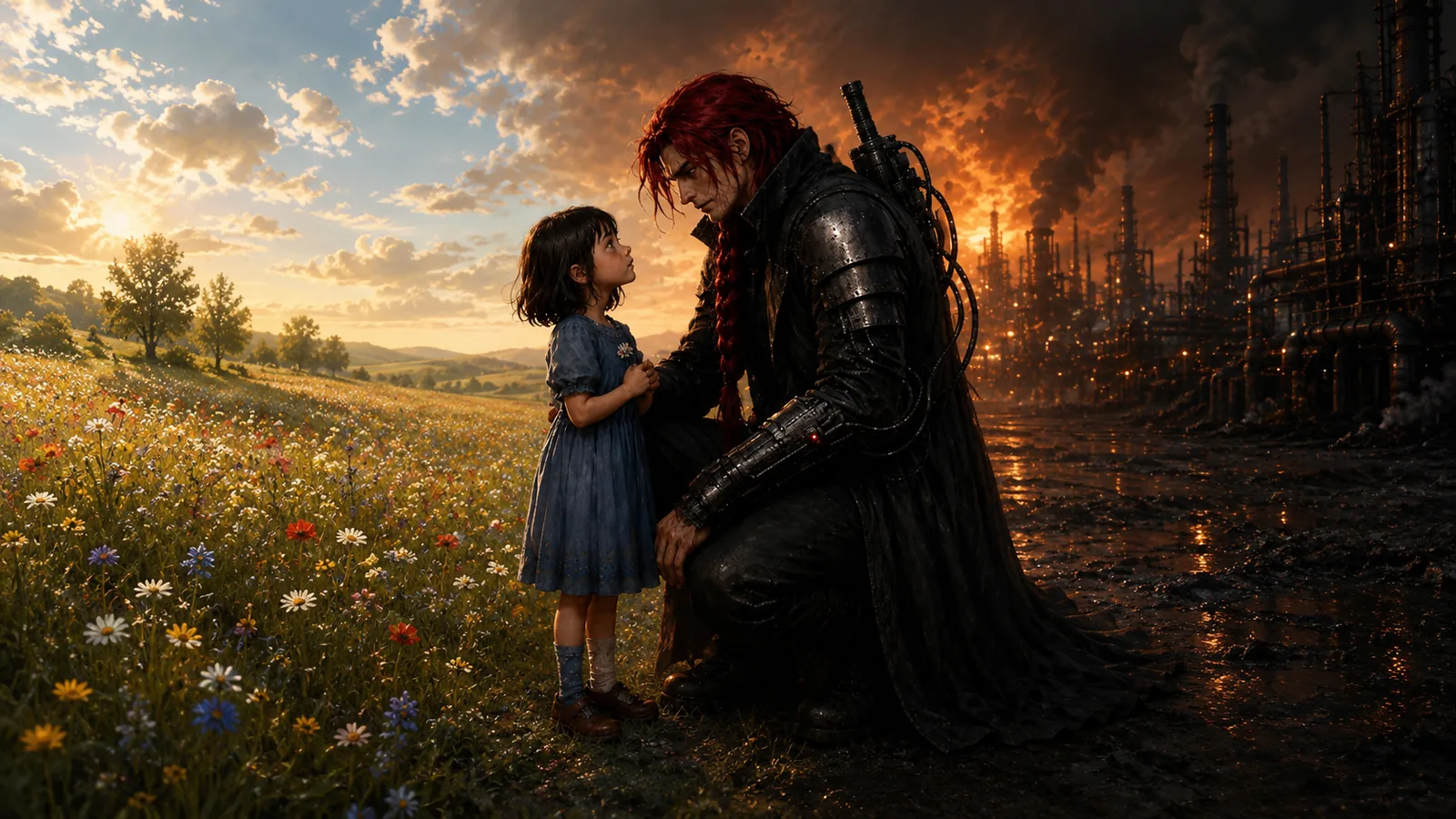
Mira is six years old, curious, direct, and unusually observant. She notices when adults avoid a question and rarely accepts the first answer. She loves flowers, open fields, and places where the wind does not smell of metal.
She trusts Kain completely. When Mira is near, he relaxes, his energy spikes decrease, and the containment system registers less pressure. The effect begins with Kain, not with any special ability of hers. Their bond simply reminds him who he has chosen to be.
Mira is not passive within the group. She asks difficult questions, notices what others prefer to ignore, and often breaks tension with an unexpectedly blunt observation.
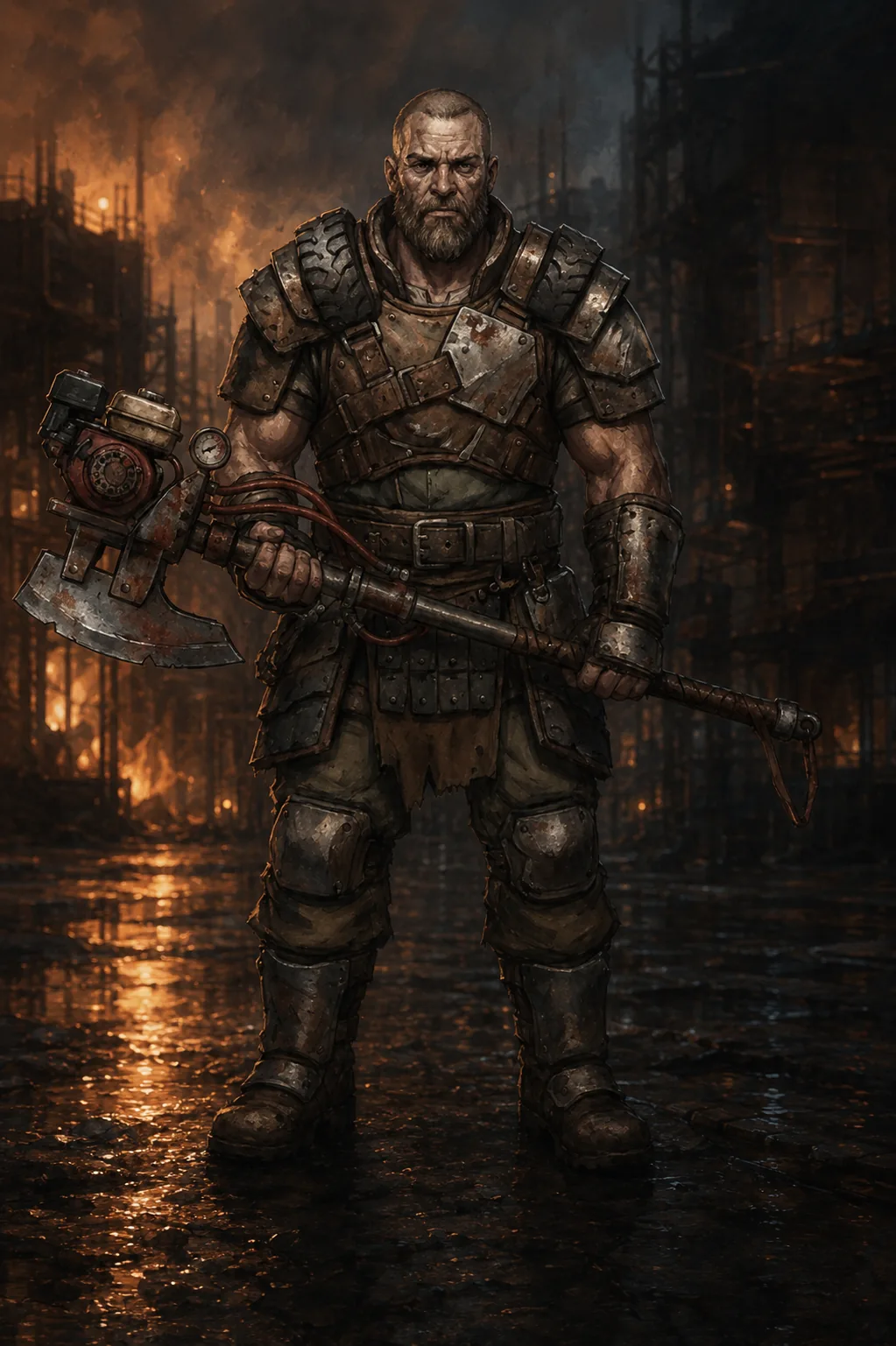
Rovan reacts before he theorizes. When a threat reaches the group, he puts himself between it and the others. He is physically powerful, blunt, and fiercely loyal. Unlike Kain, he has no rule against killing when lives are at stake. Their disagreements are direct, but his loyalty never depends on agreement.
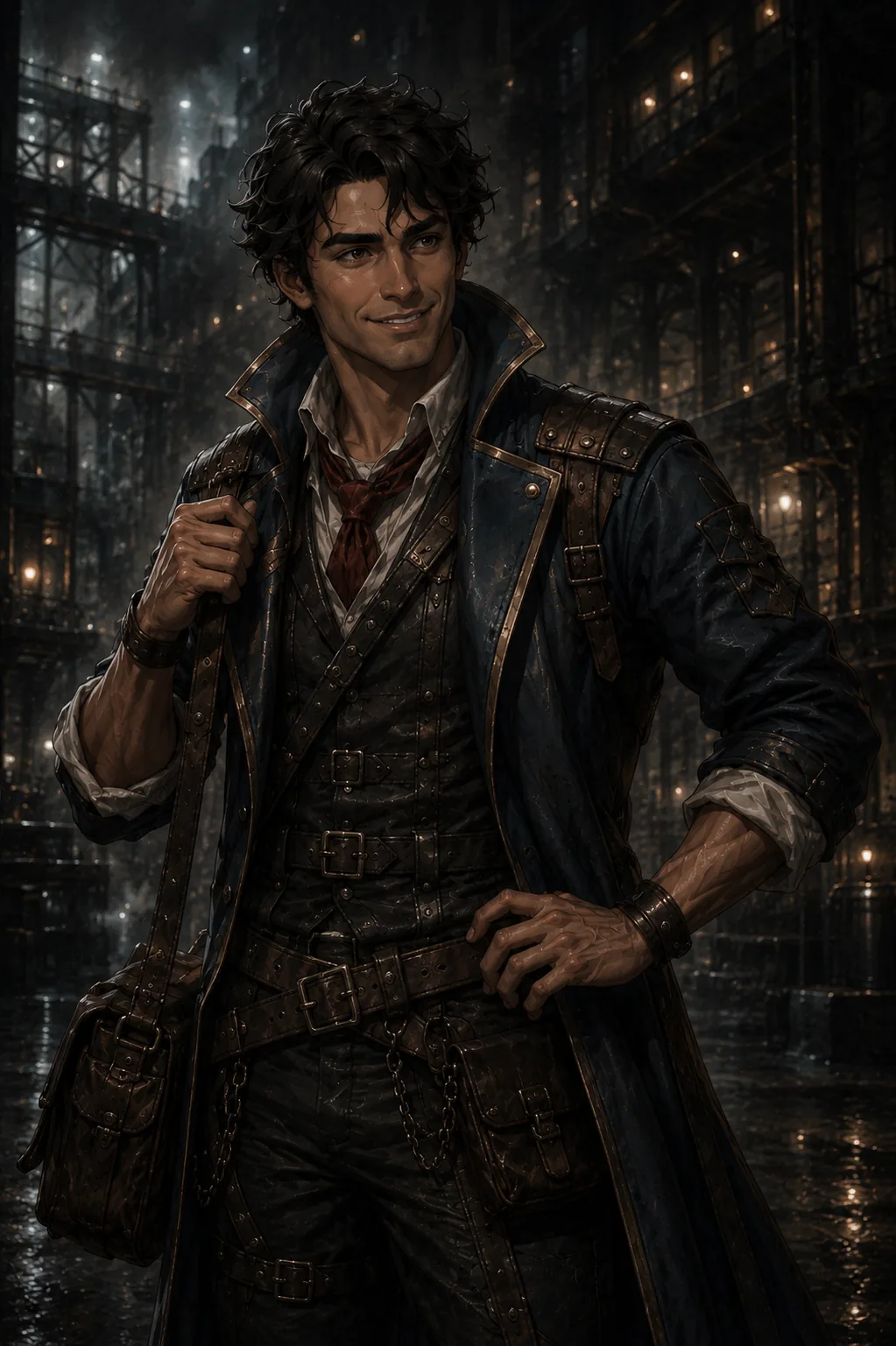
Jarek finds routes, contacts, and opportunities where the others see dead ends. Charismatic and naturally optimistic, he believes that even rigid systems contain openings that can be negotiated. That belief makes him invaluable to the group. It also leaves him vulnerable to institutions that know how to turn hope into leverage.
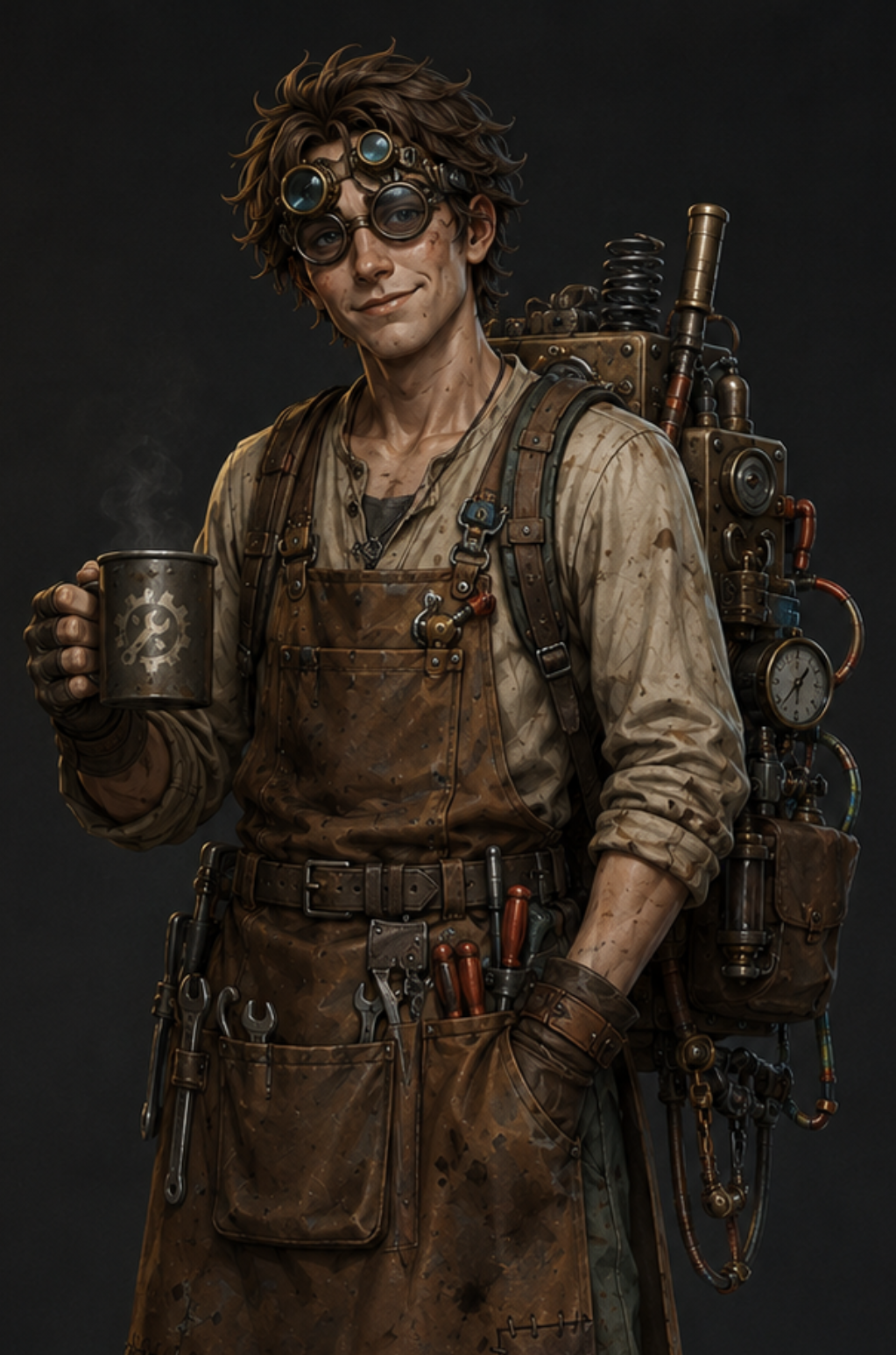
Milo designed the bracelet, the pressure valves, and the sword-based dissipation system that keeps Kain stable. He is meticulous, anxious, and often responsible for the group's nervous humour. Milo believes he is treating a dangerous illness and protecting his friend. The possibility that his machines have been containing something entirely different has not yet occurred to him.
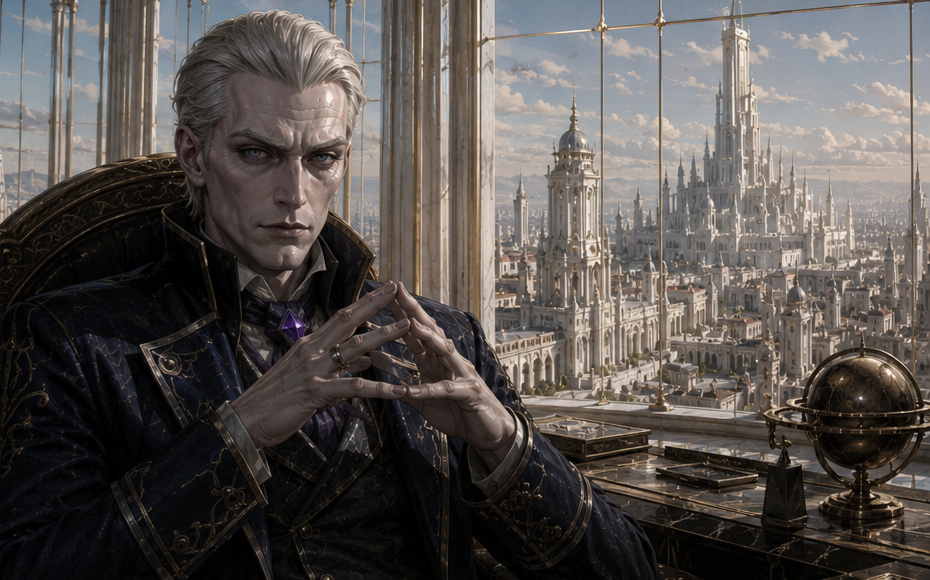
Lord Vane is one of the Crystal's most influential figures, involved in shaping its long-term policy around Nectar, biological research, and social stability. Calm and methodical, he does not view sacrifice as cruelty, but as part of a calculation.
Vane does not regard Kain as an unknown anomaly. His interest appears to be based on information unavailable to the rest of the Crystal.
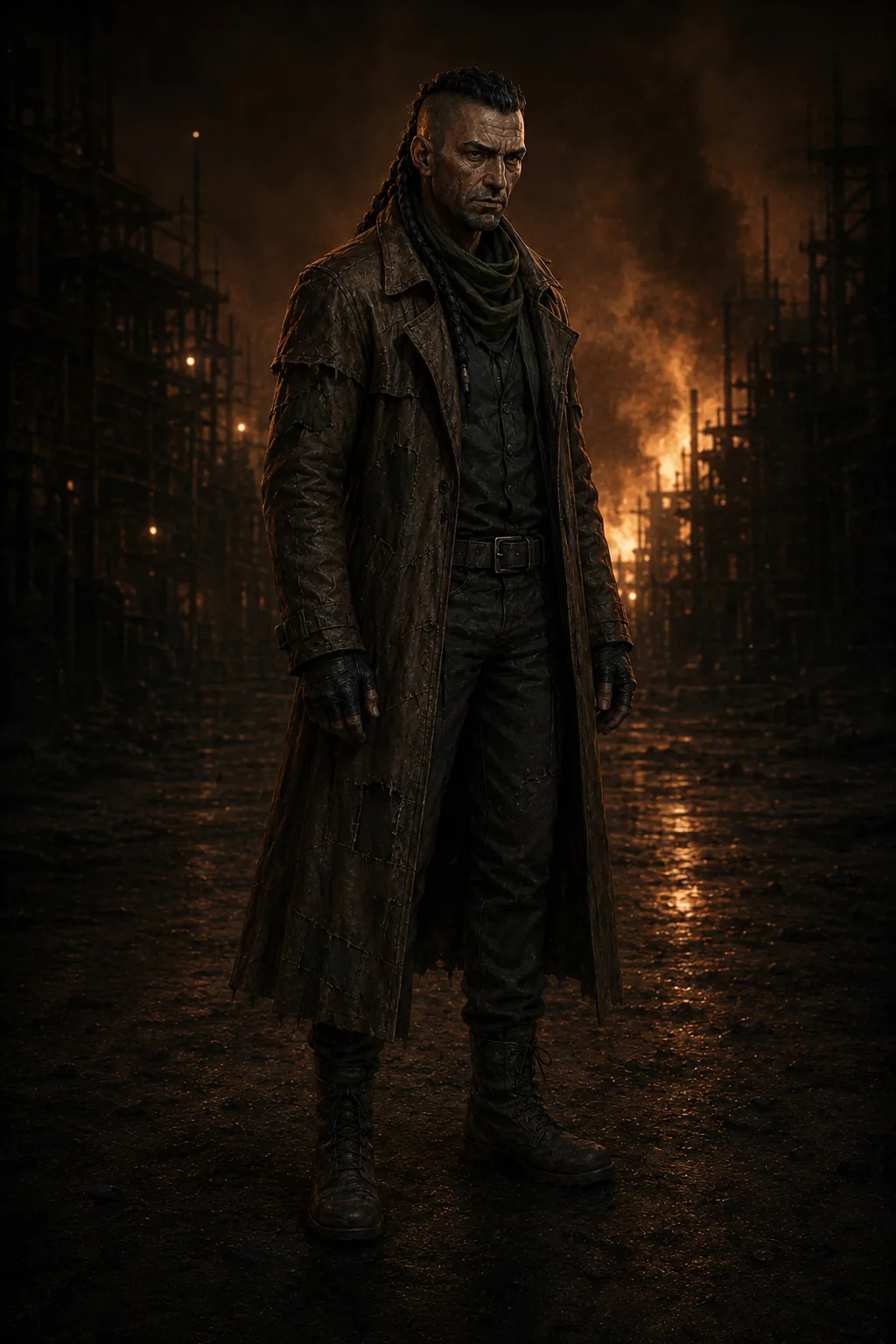
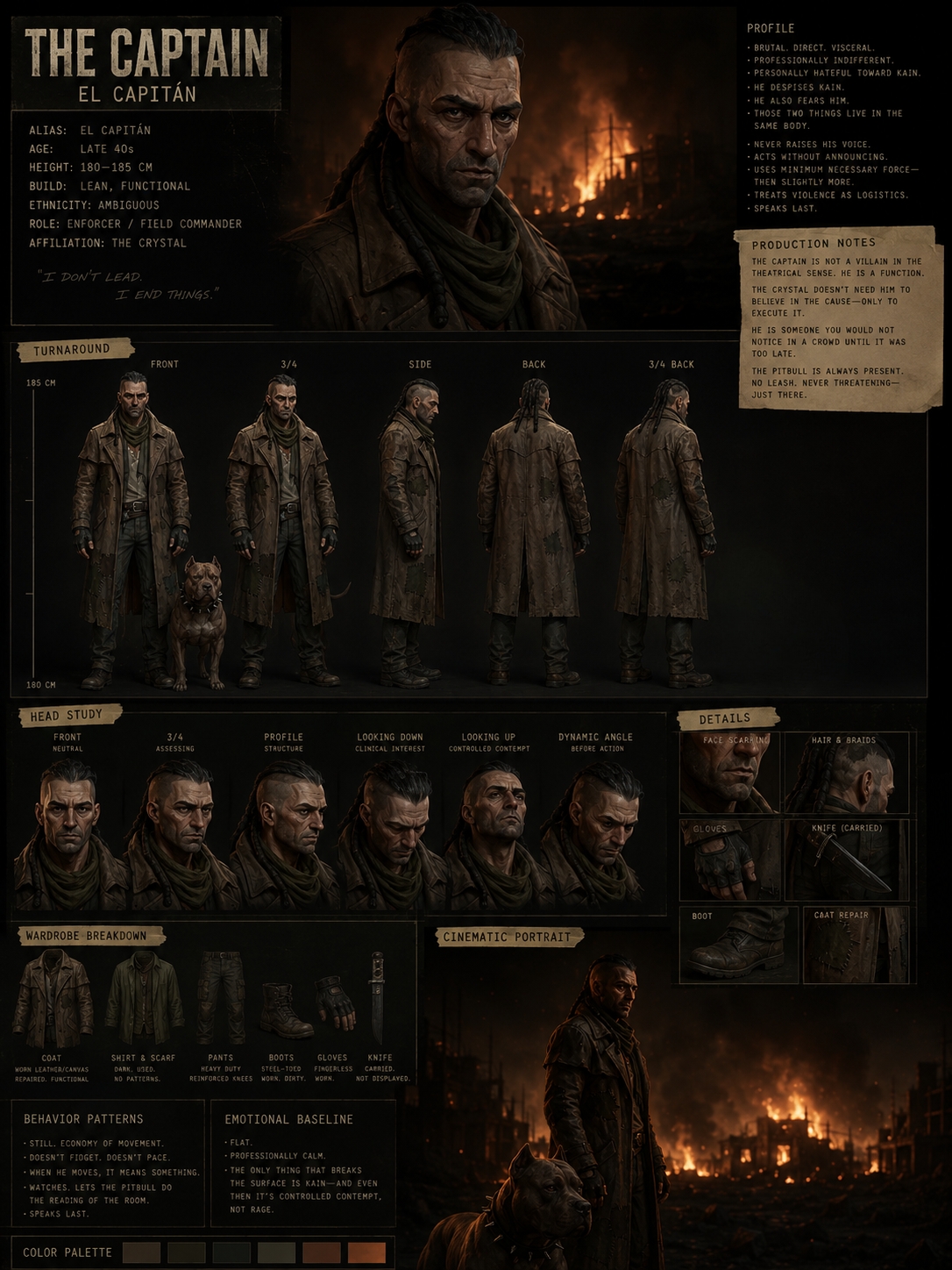
The Captain carries out the work the Crystal keeps outside public view. He operates without ceremony, uses violence efficiently, and treats fear as a practical tool. His interest in Kain becomes personal after recognizing technology and physical capabilities that should not exist in the Rust. He despises what he cannot control, and fears what he cannot explain.
The full cast, world-building and complete story arc are available in the pitch deck. Request access below.
· · · ◉ · · ·
The Nectar Chronicles is not a story about defeating a monster.
It is about what humanity builds when the threat cannot be removed.
Every decision is justified by the same promise:
Keep the system alive.
But when stability depends on sacrifice...
...who is the system actually protecting?
The series follows people forced to choose between preserving the structure that keeps society functioning
and protecting those it has learned to treat as expendable.
The Crystal does not believe it is cruel.
It believes the cost is necessary. That belief is what makes the system dangerous.
Survival is not enough.
A system reveals what it values by deciding who it is willing to lose.
Kain and his group protect settlements, recover parts for his containment system, and try to preserve the family they have built in the Rust. Their fragile stability begins to break when the Crystal takes an interest in them and a promise of safety draws the group toward an institution whose real purpose remains hidden.
By the end of the season, Kain must choose between the rule that defines him and the people he has sworn to protect.
The Nectar Chronicles has been developed as a narrative IP with potential across interactive, musical, and physical formats. Each extension is intended to explore the world from a different perspective without replacing the animated series as the core project.
An in-universe research archive presented from the perspective of the Crystal. Visitors can examine biological records, containment technology, incidents, and incomplete scientific observations. The archive is deliberately unreliable: verified data, institutional assumptions, and restricted information coexist inside the same system.
Original conceptual music explores the project's emotional and sonic identity: industrial pressure, biological unease, open landscapes, and the warmth of the group before the story begins to fracture.
A short interactive experience set in the Rust before the central events of the series. The prototype explores atmosphere, character interaction, environmental storytelling, and the contrast between the industrial settlement and the natural world.
The world supports future physical extensions such as illustrated publications, tabletop concepts, collectible figures, and replicas of iconic technology. These remain development possibilities rather than announced products.
The Nectar Chronicles is a premium adult animated drama combining biological science fiction, political tension, and industrial aesthetics. It begins as a story of family, missions, and survival in the Rust, then evolves into a tragedy about containment, institutional power, and the cost of treating human lives as expendable.
Violence is used sparingly and changes relationships, moral boundaries, and the balance of the world. Its visual identity contrasts industrial decay with open landscapes, while Nectar appears as a biological anomaly that alters DNA and ecosystems — never as magic.
Created and developed by Dani Gómez, an independent creator based in Spain. The Nectar Chronicles has been developed over more than five years through worldbuilding, story development, visual direction, music, web design, and transmedia prototyping.
The project is now seeking experienced production partners to bring the IP to the international adult animation market.
The Crystal calls it containment. The Rust lives with the consequences.
The pitch deck, series bible, pilot screenplay, and visual development materials are available upon request. Industry professionals interested in development, production, financing, or distribution can contact Dani directly through the form below.
Message received. Dani will be in touch shortly.